
How to Select a Reliable Noise Barrier Manufacturer in India

Managing unwanted noise has become an important requirement for factories, power generation facilities, infrastructure projects and commercial establishments. Industrial machinery, compressors, generators and other heavy equipment can produce continuous noise that affects nearby workspace and surrounding communities.
Envirotech properly planned Noise Barrier can help limit sound transmission and create a more comfortable acoustic environment. However, the effectiveness of a noise control system depends on its design, material quality, installation and suitability for the application.
Finding the right Noise Barrier Manufacturer in India is therefore an important step for businesses planning a new installation or upgrading an existing noise control system. This guide explains how to evaluate manufacturers, compare technical specifications and choose a solution that meets your project requirements.
What Is an Industrial Noise Barrier?
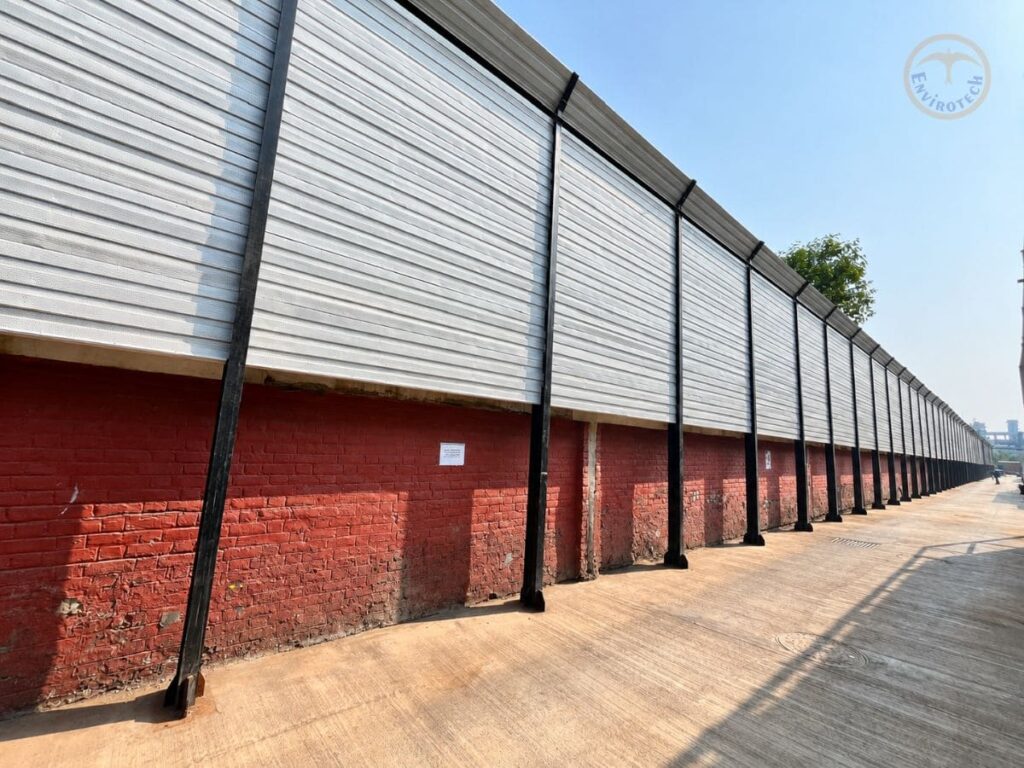
An industrial noise barrier is an engineered structure positioned between a noise source and the area requiring protection. By obstructing the direct path of sound, it can reduce the amount of noise reaching a particular location.
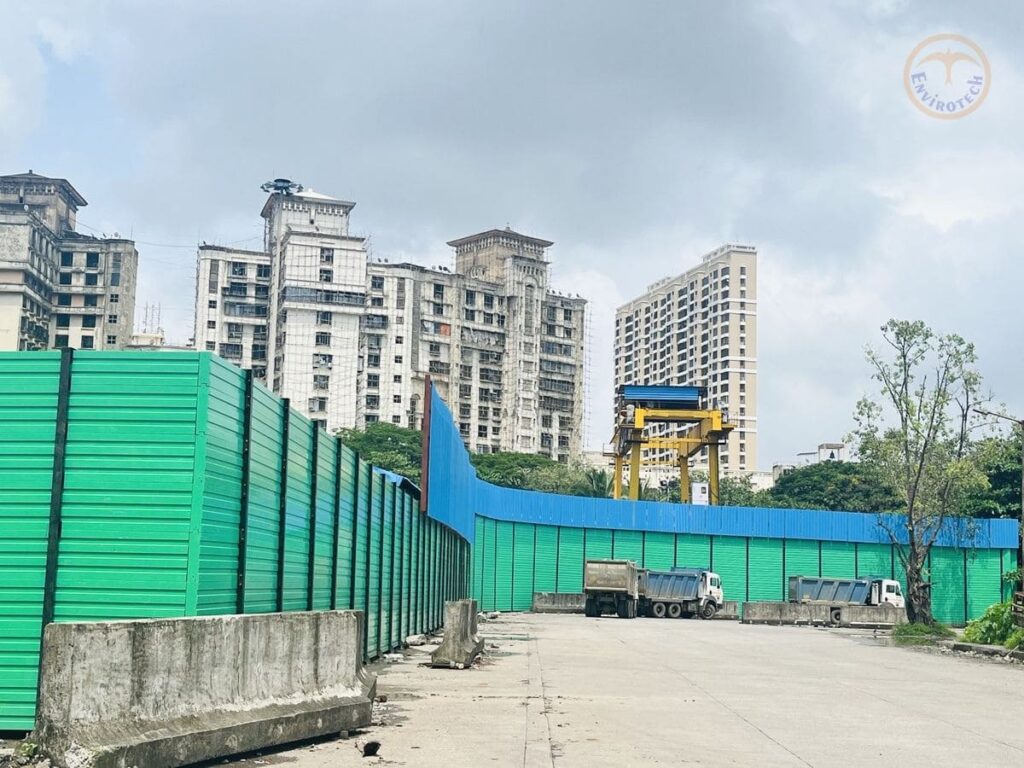
These systems are used in manufacturing plants, power stations, industrial machinery areas, highways, commercial facilities and infrastructure developments.
Depending on the application, a noise barrier may incorporate metal panels, sound-absorbing materials, structural supports and protective surface coatings. Some systems are designed primarily to block sound, while others use absorptive surfaces to help control reflected noise.
The appropriate design depends on the source of noise, surrounding environment, available installation space and the acoustic performance required.
Why Does Your Choice of Noise Barrier Manufacturer Matter?
Envirotech Noise Barrier is not simply a wall made from sound-resistant materials. Its performance depends on how effectively the complete system is designed for the site.
An experienced manufacturer can help assess the application, recommend suitable materials and develop a configuration that addresses practical installation requirements.
Choosing the right supplier can offer several advantages:
- Application-specific engineering: A design developed around the noise source and site conditions.
- Appropriate material selection: Components selected for the required acoustic, structural and environmental performance.
- Improved installation quality: Properly aligned panels, sealed joints and suitable structural supports.
- Long-term durability: Materials and finishes chosen according to exposure and operating conditions.
- Maintenance planning: Access arrangements that support routine inspections and equipment servicing.
- Better cost evaluation: A clearer understanding of initial investment, installation requirements and future maintenance.
Essential Factors to Evaluate Before Selecting a Noise Barrier Manufacturer
1. Experience in Industrial Acoustic Solutions
Start by examining the manufacturer’s experience in noise control engineering. Different industries have different acoustic challenges, and a suitable solution for a highway may not work equally well around a compressor or power plant.
Look for experience with applications similar to your project, including manufacturing facilities, DG sets, turbines, HVAC equipment, production machinery and industrial utilities.
Review the manufacturer’s project portfolio and ask how its team evaluates noise sources, identifies potential sound transmission paths and determines the appropriate barrier arrangement.
Relevant project experience is generally more useful than broad claims about industry expertise.
2. Technical Understanding of Noise Reduction
Before purchasing a noise barrier system, establish the noise-control objective for your project.
- The expected performance can be influenced by:
- Existing noise levels and the required target level.
- Frequency characteristics of the sound source.
- Height, length and position of the barrier.
- Distance between the source, barrier and receiver.
- Sound transmission through gaps, joints and openings.
- Reflections from nearby buildings and hard surfaces.
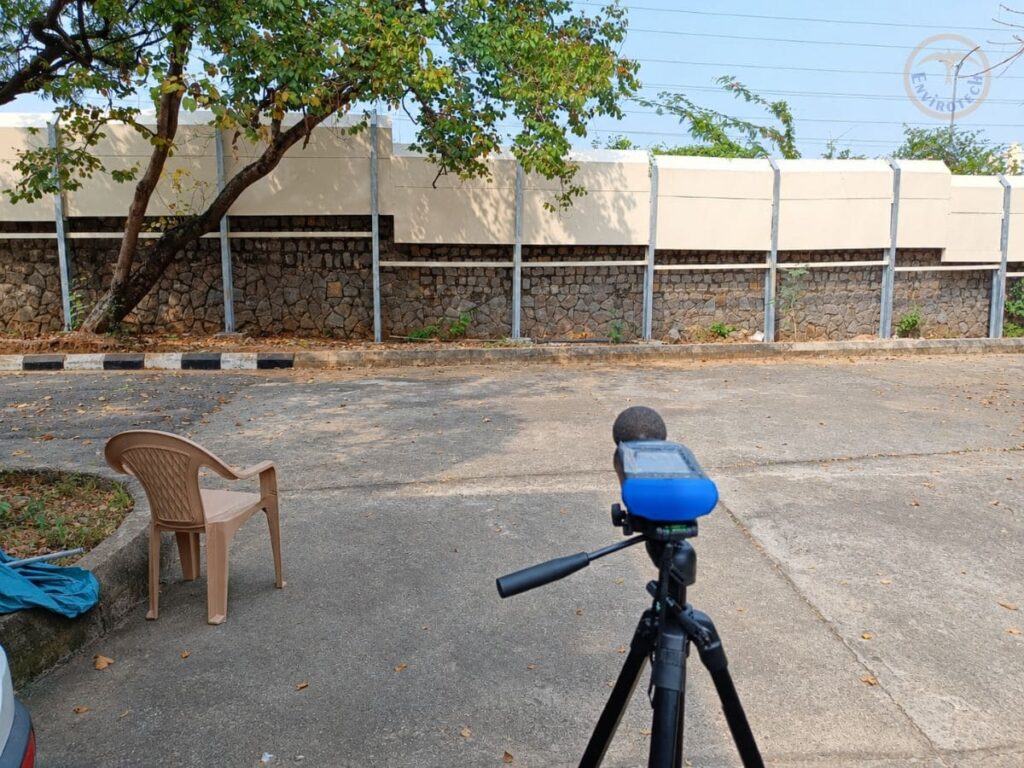
Ask the manufacturer how it estimates performance and whether suitable test reports, acoustic calculations or site measurement services are available.
Be cautious when comparing suppliers solely on the basis of a single noise reduction figure. Results from different installations or testing conditions may not be directly comparable.
3. Material Specifications and Product Construction
The materials used in a noise barrier should match the demands of its installation environment.
For example, outdoor infrastructure projects may require weather-resistant construction, whereas industrial facilities may need materials suitable for dust, vibration, elevated temperatures or corrosive conditions.
Depending on the design, a system may include:
- Perforated metal facings.
- Suitable acoustic absorption materials.
- Engineered frames and support structures.
- Protective coatings and corrosion-resistant finishes.
- Properly designed panel joints and sealing arrangements.
Ask for the proposed material specifications, panel construction details, maintenance recommendations and relevant quality documentation.
A well-selected material combination can help maintain system performance throughout its intended service life.
4. Customized Design and Engineering Support
Every site has its own layout, operating requirements and installation restrictions. A manufacturer should be able to explain how its proposed design addresses these conditions.
Important design considerations include equipment dimensions, available space, barrier positioning, access routes, ventilation requirements and structural constraints.
For machinery installations, it is particularly important to maintain safe access for inspection and servicing. Where equipment generates substantial heat, the design must also avoid interfering with necessary airflow.
For projects with demanding acoustic targets, a site assessment or detailed acoustic study may be required before finalizing the system.
Choose a manufacturer that can explain the reasoning behind its design instead of offering a standard configuration without evaluating your requirements.
5. Manufacturing Facilities and Quality Control
Manufacturing quality affects how well the panels fit together and how reliably the completed barrier performs.
Before finalizing a supplier, ask about its fabrication processes, inspection procedures, dimensional checks, surface finishing and production capabilities.
For large installations, also consider whether the manufacturer can coordinate production, transportation and installation according to the project schedule.
The completed system should be installed with appropriate alignment, secure supports and attention to gaps that could allow sound to pass through.
A good manufacturing process, combined with correct installation, helps reduce avoidable performance problems.
6. Project Portfolio and Technical References
A manufacturer’s previous work can help you understand its practical capabilities.
Request details of relevant installations, such as industrial plants, power generation facilities, highways or machinery noise-control projects. Photographs can help illustrate construction and layout, while technical reports or measured results can provide stronger evidence of performance.
When reviewing project references, consider the type of equipment involved, the operating environment, the scope of supply and whether the completed system addressed the original noise-control objective.
Where possible, ask for references from customers with comparable requirements.
7. Installation, Warranty and After-Sales Assistance
Even a well-designed noise barrier may underperform if it is installed incorrectly. Panel gaps, poorly sealed joints, unsuitable positioning and inadequate supports can compromise the intended result.
Clarify whether the supplier provides installation, supervision, commissioning assistance or post-installation performance measurements.
Before placing an order, confirm the warranty conditions, exclusions, maintenance requirements, availability of replacement parts and technical support arrangements.
Also establish who is responsible for civil works, structural foundations, electrical interfaces, access equipment and other site-related activities.
Clear responsibilities help prevent unexpected delays and disputes during project execution.
8. Transparent Pricing and Overall Project Value
The lowest quotation is not always the most economical option. Two suppliers may quote different prices because their materials, construction methods, installation scope and performance requirements differ.
For a meaningful comparison, request itemized quotations covering:
- Barrier dimensions and panel specifications.
- Material type and surface treatment.
- Structural framework and supports.
- Transportation and installation.
- Testing and documentation, where applicable.
- Warranty and maintenance provisions.
Compare technically equivalent proposals before making your decision. Evaluating the expected maintenance requirements alongside the initial purchase price can help you make a more informed investment.
Common Types of Noise Barrier Systems
The right noise barrier depends on where the noise originates and how it travels through the surrounding environment.
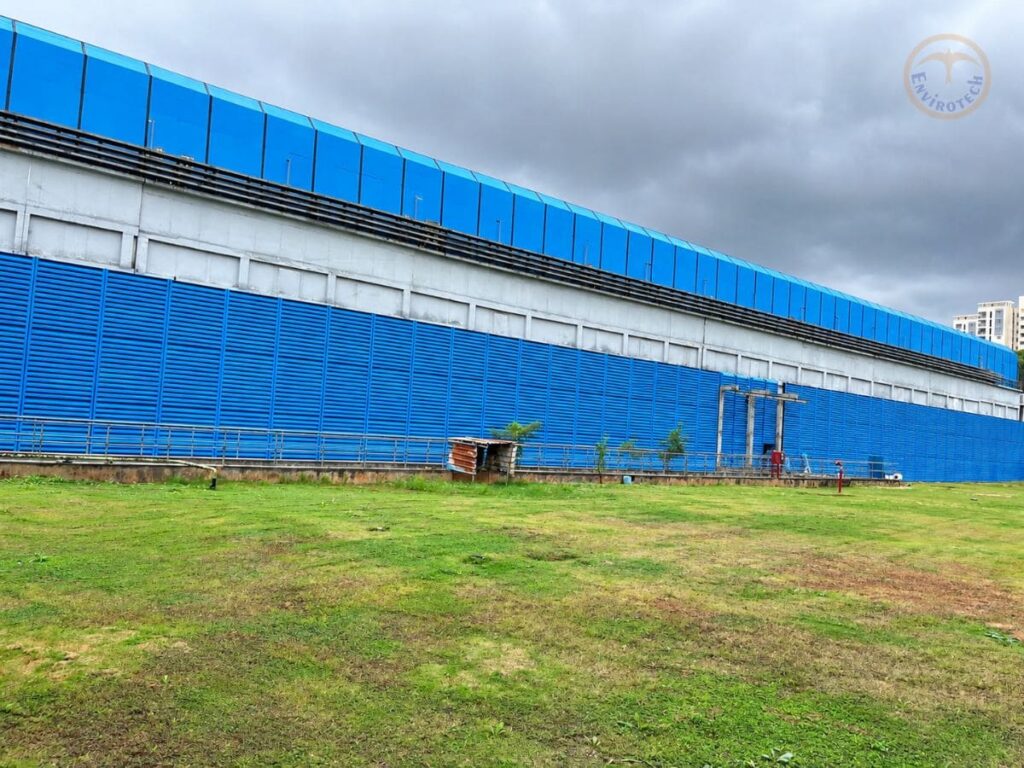
- Industrial Noise Barriers: Industrial noise barriers are used to control sound from production equipment, machinery areas and industrial utilities. They can be positioned strategically to reduce noise transmission toward workstations, neighbouring properties or other sensitive locations.
- Highway and Roadside Noise Barriers: Roadside barriers are designed to reduce traffic noise reaching nearby residential areas, offices and other occupied spaces. Their performance depends on factors such as road geometry, traffic characteristics, barrier dimensions and the location of the receivers.
- Power Plant Noise Barriers: Power generation facilities may require noise barriers around selected auxiliary equipment, cooling systems, transformers and other noise sources. Designs must account for equipment operation, access, ventilation and site-specific acoustic requirements.
- DG Set and Generator Noise Barriers: Generator installations can produce noise from engines, cooling fans and exhaust systems. Depending on the layout and required performance, a project may need a freestanding barrier, a purpose-built acoustic enclosure or a combination of noise-control measures.
Noise Barrier or Acoustic Enclosure: Which Is Suitable for Your Project?
Although both systems help manage unwanted noise, they are designed for different purposes.
Envirotech Noise Barrier obstructs the direct sound path between a source and a receiver. It can be appropriate when the equipment needs to remain accessible or when noise reduction is required in a particular direction.
Envirotech Soundproof Acoustic Barrier surrounds the equipment more extensively to limit sound transmission in multiple directions. Enclosures may be suitable for compressors, generators, blowers, turbines and other industrial machinery, if ventilation, heat dissipation and maintenance access are properly addressed.
The selection should be based on the source characteristics, target noise levels, available space, equipment operating conditions and overall project requirements.
In some situations, combining an acoustic enclosure with additional barriers may provide a more suitable solution.
Noise Barrier Solutions by Envirotech Systems Limited
Envirotech Systems Limited works in the acoustic and noise-control solutions sector, serving industrial and commercial requirements.
For businesses planning a noise-control project, the appropriate solution should be selected after considering the equipment involved, site conditions, expected noise levels and operational requirements.
Depending on the application, noise barriers may be considered alongside acoustic enclosures, acoustic louvers and other engineered acoustic systems. If you are planning a new installation or looking to improve noise control at an existing facility, discuss your project requirements with the Envirotech Systems Limited team.
Noise Barrier Manufacturers
Selecting a reliable Noise Barrier Manufacturer in India requires a careful assessment of technical capability, construction quality, design flexibility, installation support and overall project value.
Begin by identifying the noise sources and defining your performance objectives. Then compare manufacturers based on relevant project experience, material specifications, engineering approach, documentation and after-sales assistance.
A suitable noise barrier system should be designed around the actual site requirements rather than selected solely based on standard specifications or advertised performance figures.
By evaluating these factors before making a purchase, businesses can make more informed decisions and choose a noise-control solution suited to their industrial or infrastructure application.