

How Noise Barriers Reduce Noise Pollution in Urban and Industrial Areas

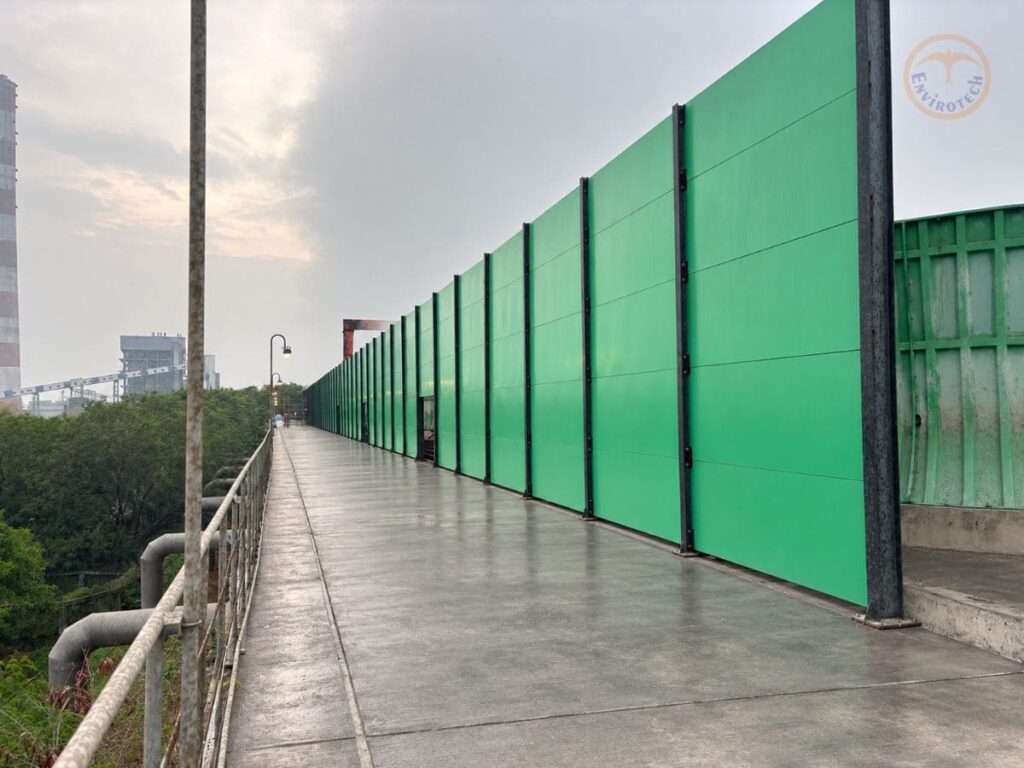
Noise pollution has become a growing concern in urban cities, industrial zones, transportation corridors, and residential areas. Increasing traffic, construction activities, manufacturing operations, machinery, generators, and infrastructure development contribute significantly to environmental noise. Continuous exposure to excessive noise can affect people’s comfort, concentration, sleep quality, and overall well-being.
Envirotech Noise Barriers are an effective engineering solution designed to reduce the transmission of unwanted sound from noisy sources to surrounding areas. By creating a physical obstruction between the noise source and the receiver, noise barriers help control environmental noise and create quieter, more comfortable surroundings.
In this blog, we explore how noise barriers work, their importance in urban and industrial environments, their applications, and how advanced noise barrier systems contribute to effective noise pollution control.
What Is a Noise Barrier?
A noise barrier is a specially designed structure installed between a noise source and the area requiring noise protection. It is engineered to block, absorb, or reduce the propagation of sound waves, helping minimize noise levels in nearby locations.
Noise barriers are commonly installed along highways, railway tracks, metro corridors, industrial facilities, commercial developments, and residential areas located near high-noise environments.
Depending on the application and project requirements, noise barriers can be manufactured using different materials, including metal, polycarbonate, concrete, composite materials, and specialized acoustic panels.
Modern noise barrier systems are designed to provide effective acoustic performance, durability, weather resistance, and aesthetic appeal.
How Do Noise Barriers Reduce Noise Pollution?
Noise barriers reduce noise pollution by interrupting the direct path of sound waves travelling from the source to the receiver. When sound encounters a barrier, it is partially reflected, absorbed, and diffracted over or around the structure.
The effectiveness of a noise barrier depends on several factors, including its height, length, material, location, sound absorption properties, and the frequency characteristics of the noise source.
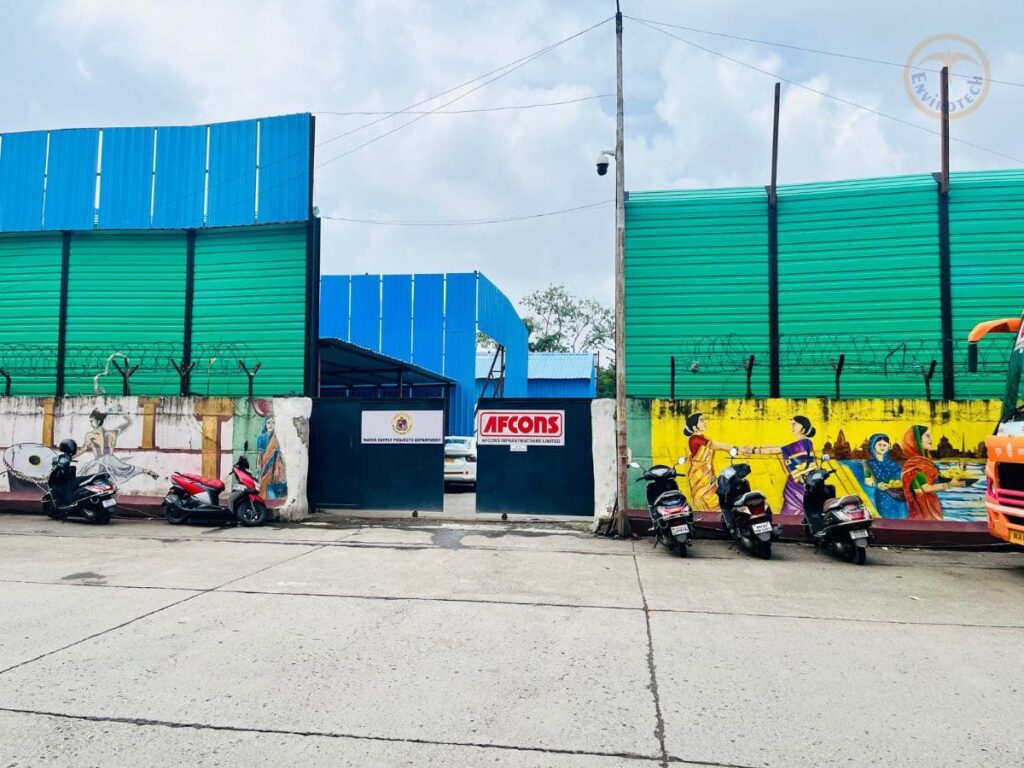
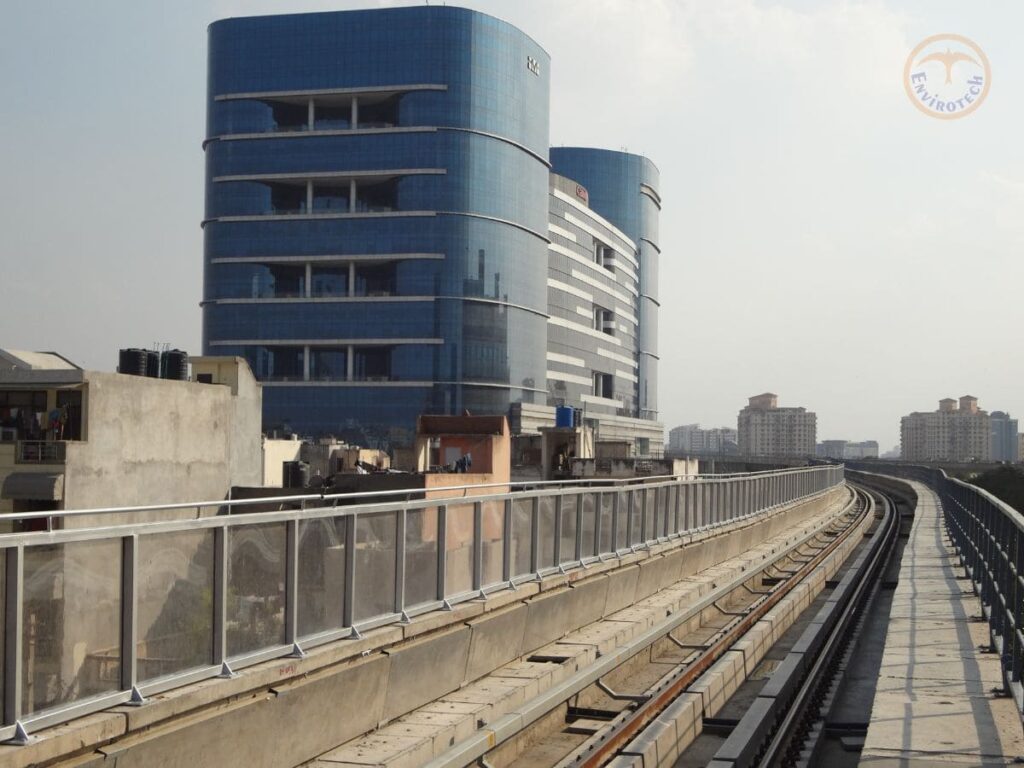
1. Blocking Direct Sound Transmission
One of the primary functions of a noise barrier is to block the direct line of sight between the noise source and the surrounding environment.
When a barrier is positioned strategically, sound waves cannot travel directly from the source to the receiver. Instead, they must travel over the top or around the sides of the barrier, increasing the sound transmission path.
This interruption in sound propagation helps reduce the noise level experienced by people living, working, or travelling near noisy locations.
2. Absorbing Sound Energy
Some noise barriers incorporate sound-absorbing materials and acoustic panel designs to reduce reflected sound energy.
Absorptive noise barriers typically feature perforated metal surfaces combined with acoustic absorptive materials or engineered sound-absorbing structures. These systems help minimize sound reflections and reduce the overall noise impact in the surrounding environment.
Absorptive barriers are particularly useful in industrial applications, highways, railway corridors, and locations where reflected noise may affect nearby buildings or other sensitive areas.
3. Reducing Sound Reflection
Reflective noise barriers are designed primarily to block sound transmission. However, sound reflected from conventional barriers may sometimes increase noise levels on the opposite side.
To address this challenge, absorptive noise barriers can be designed to absorb a portion of the incoming sound energy, helping reduce unwanted reflections and improve overall acoustic performance.
The selection between reflective and absorptive barrier systems depends on the site conditions, noise source, surrounding buildings, and environmental requirements.
Importance of Noise Barriers in Urban Areas
Urban environments are continuously exposed to noise generated by vehicles, public transportation, construction activities, commercial establishments, and infrastructure projects. As cities expand, managing environmental noise becomes increasingly important for maintaining a comfortable and healthy living environment.
Noise barriers provide an effective solution for reducing noise exposure in areas located close to major roads, railway lines, metro corridors, and other noisy infrastructure.
Highway and Road Traffic Noise Reduction
Highways and busy roads generate significant noise from vehicle engines, tyre-road interaction, horns, and traffic movement. Noise barriers installed along highways help reduce the transmission of traffic noise towards nearby residential communities, schools, hospitals, offices, and other noise-sensitive locations.
Properly designed highway noise barriers can improve the acoustic environment for nearby residents while supporting sustainable infrastructure development.
Noise Control Near Metro and Railway Corridors
Metro trains and railway operations generate noise due to wheel-rail interaction, braking, mechanical equipment, and train movement. Noise barriers installed along railway tracks and metro corridors help minimize noise propagation towards nearby buildings and communities.
These barriers are particularly beneficial in densely populated urban areas where transportation infrastructure is located close to residential and commercial developments.
Improving Residential and Commercial Environments
Noise barriers can be installed around residential projects, commercial buildings, public spaces, and educational institutions located near high-noise areas.
By reducing unwanted external noise, these systems help create quieter surroundings, supporting better comfort, communication, concentration, and overall environmental quality.
Industrial Noise Barriers for Effective Noise Control
Industrial facilities often operate heavy machinery, compressors, generators, turbines, pumps, blowers, cooling systems, and manufacturing equipment that produce high levels of noise.
Industrial noise pollution can affect workers, nearby communities, and surrounding commercial or residential developments. Noise barriers are an important part of industrial noise control strategies.
Noise Barriers for Machinery and Equipment
Noise barriers can be installed around noisy machinery or between industrial equipment and sensitive areas. These systems help reduce the transmission of airborne noise from equipment such as diesel generator sets, compressors, industrial fans, and production machinery.
Depending on the noise source and project requirements, industrial noise barriers may be designed as standalone acoustic walls, equipment enclosures, modular acoustic panels, or specialized noise control structures.
Noise Barriers for Manufacturing Facilities
Manufacturing plants frequently require customized acoustic solutions to manage noise generated by production processes. Noise barriers can help reduce the propagation of industrial sound towards neighbouring facilities, offices, residential areas, and other sensitive locations.
The design of industrial noise barriers considers noise levels, frequency characteristics, equipment layout, ventilation requirements, environmental conditions, and available installation space.
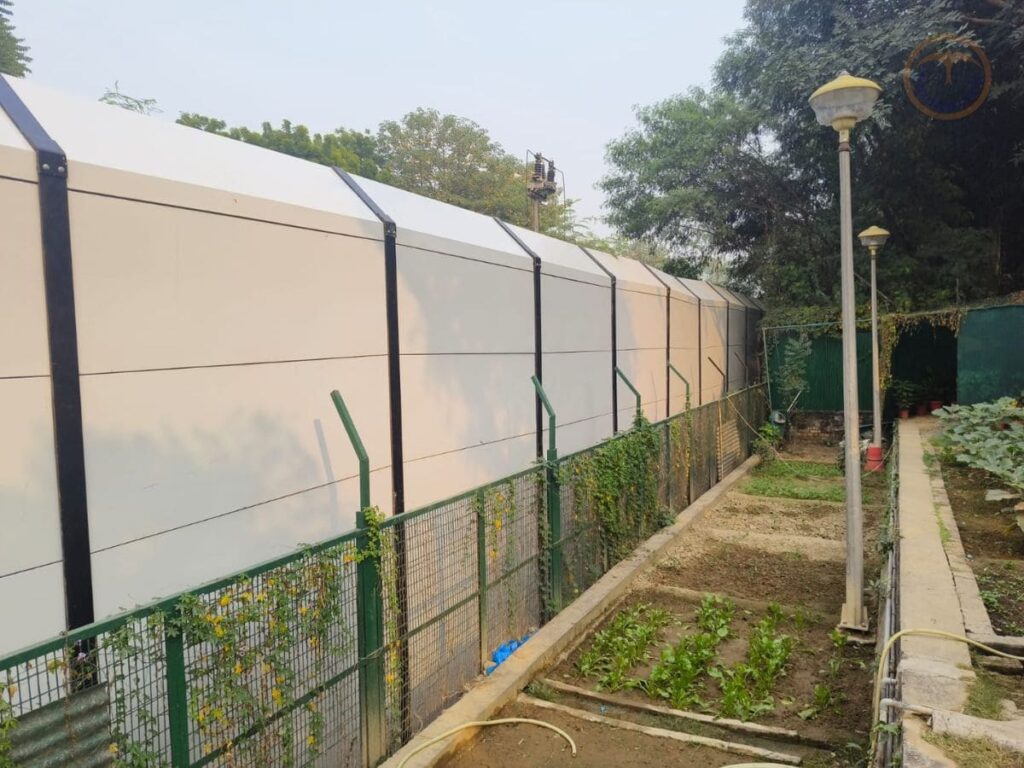
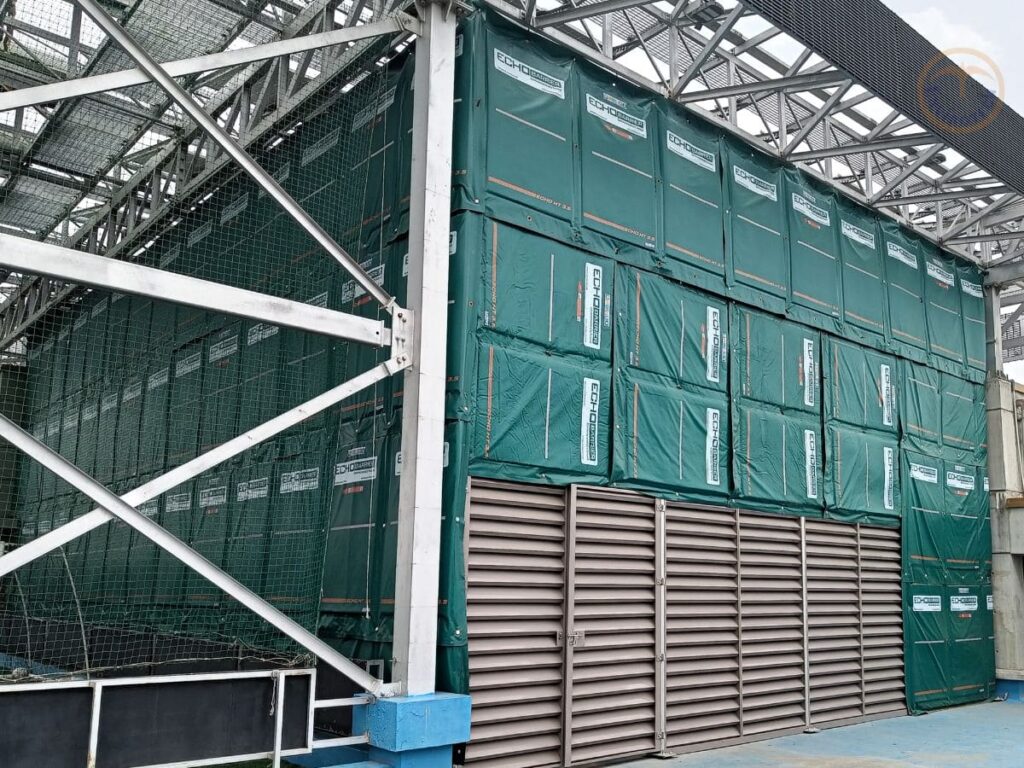
Types of Noise Barriers
- Metallic Noise Barriers: Metallic noise barriers are widely used for highways, railway corridors, industrial facilities, and infrastructure projects. These barriers are generally manufactured using engineered metal panels and can be designed with absorptive or reflective acoustic properties.
- Polycarbonate Noise Barriers: Polycarbonate noise barriers provide a transparent or semi-transparent solution for locations where visibility, natural light, and architectural aesthetics are important. These systems are suitable for highways, bridges, railway corridors, and urban infrastructure.
- Industrial Acoustic Noise Barriers: Industrial acoustic barriers are designed to reduce machinery and equipment noise. They can be customized according to project-specific requirements, including barrier height, panel thickness, acoustic performance, and structural design.
Key Benefits of Noise Barriers
Installing noise barriers offers several advantages for urban infrastructure, industrial facilities, and noise-sensitive environments.
- Noise Pollution Reduction: Helps reduce the transmission of unwanted sound from roads, railways, machinery, and industrial operations.
- Improved Environmental Quality: Supports quieter surroundings in residential, commercial, and public spaces.
- Enhanced Acoustic Comfort: Reduces noise disturbance and improves the comfort of people living or working near noisy environments.
- Versatile Applications: Suitable for highways, railway corridors, metro projects, industrial plants, construction sites, and infrastructure developments.
- Durable Construction: Modern noise barrier systems are designed to withstand outdoor environmental conditions, including wind, rain, dust, and temperature variations.
- Customized Acoustic Solutions: Barriers can be designed according to site conditions, noise levels, acoustic requirements, and architectural preferences.
Factors to Consider When Selecting Noise Barriers
Selecting the right Noise Barrier requires careful evaluation of project requirements and environmental conditions. Important considerations include the noise source, required noise reduction, barrier height and length, material selection, installation location, structural requirements, and surrounding environment.
The acoustic performance of a noise barrier depends on its overall design and installation. A properly engineered barrier should provide sufficient coverage, minimize gaps, and be positioned strategically between the noise source and the receiver.
For industrial projects, additional considerations such as machinery access, ventilation, maintenance requirements, and safety standards may also influence the design.
Noise Barrier Manufacturer in India
Envirotech Systems Limited provides engineered acoustic solutions for industrial noise control, transportation infrastructure, and environmental noise reduction applications. With expertise in acoustic engineering and noise control systems, the company offers customized noise barrier solutions designed to address project-specific requirements.
Noise barrier systems can be developed for highways, railway corridors, metro projects, industrial facilities, commercial developments, and other noise-sensitive environments. Depending on the application, solutions may include metallic noise barriers, polycarbonate noise barriers, industrial acoustic barriers, and innovative solar noise barrier systems.
The selection of an appropriate noise barrier system helps support effective noise management while meeting the functional, structural, and aesthetic requirements of the project.
Industrial Acoustic Noise Barrier Manufacturer
Metallic Noise Barriers play an important role in controlling environmental noise pollution in urban and industrial areas. By blocking direct sound transmission, reducing sound reflections, and incorporating sound-absorbing materials, these structures help create quieter surroundings near highways, railway corridors, industrial facilities, and residential communities.
As urbanization and infrastructure development continue to increase, the demand for effective and sustainable noise control solutions is growing. Properly designed noise barriers offer a practical approach to managing environmental noise, improving acoustic comfort, and supporting better urban and industrial environments.