

Why Railway Noise Barriers Are Important

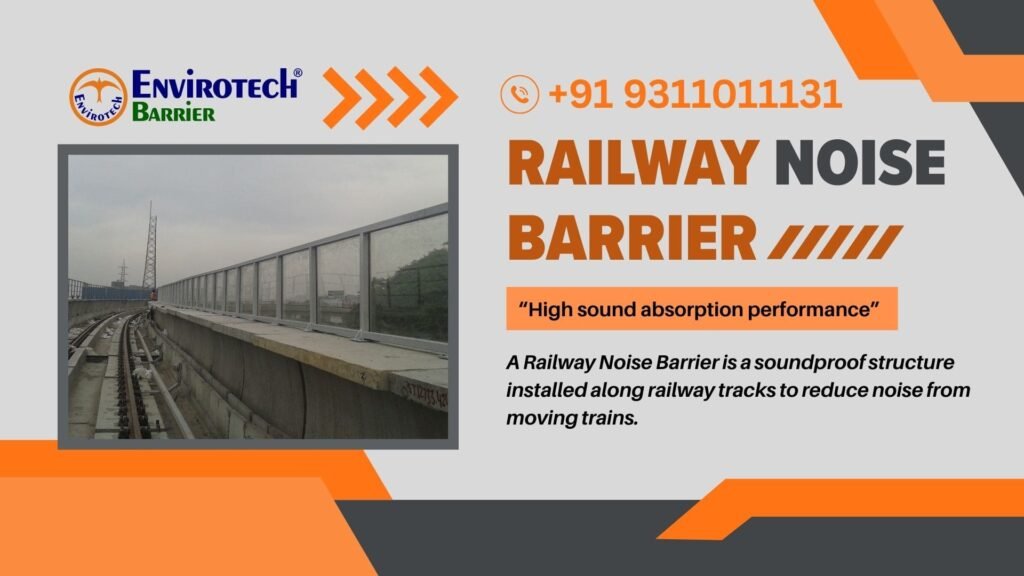
Railways are essential for connectivity, trade, and economic growth, but they also generate high levels of noise that can negatively affect nearby surroundings. Train engines, wheel–rail contact, braking systems, and warning signals all contribute to continuous noise pollution. To address this challenge, Railway Noise Barriers play a crucial role in controlling sound levels and creating healthier environments along railway corridors.
Reducing Noise Impact on Human Health
Excessive railway noise can cause serious health concerns when people are exposed to it for long periods. Common effects include disturbed sleep, increased stress levels, fatigue, reduced concentration, and hearing discomfort. Residential zones, hospitals, schools, and offices located close to railway tracks are especially sensitive to such noise. Railway noise barriers help minimize these impacts by reducing the transmission of sound waves, thereby protecting people from long-term health risks.
Creating Comfortable Living and Working Spaces
In expanding cities, railway lines often pass through or near densely populated areas. Constant train noise can disrupt daily life, lower productivity, and reduce overall comfort. Railway noise barriers are designed to absorb or block sound before it reaches nearby buildings. This helps maintain a quieter and more comfortable environment for residents, workers, and students, improving overall quality of life in urban and semi-urban areas.
Ensuring Compliance with Noise Pollution Standards
Environmental authorities have introduced noise control regulations to limit harmful sound levels around infrastructure projects. Railway operators and developers are required to comply with these standards to avoid penalties and environmental concerns. Installing railway Noise Barriers is one of the most effective ways to meet regulatory noise limits. These barriers demonstrate a responsible approach toward environmental protection and community well-being.
Enhancing Safety Near Railway Tracks
Beyond noise reduction, Railway Noise Barrier also contribute to improved safety. Reduced noise levels allow clearer communication for railway staff and nearby occupants. Additionally, noise barriers often act as physical boundaries, discouraging unauthorized access to railway tracks and reducing the risk of accidents in surrounding areas.
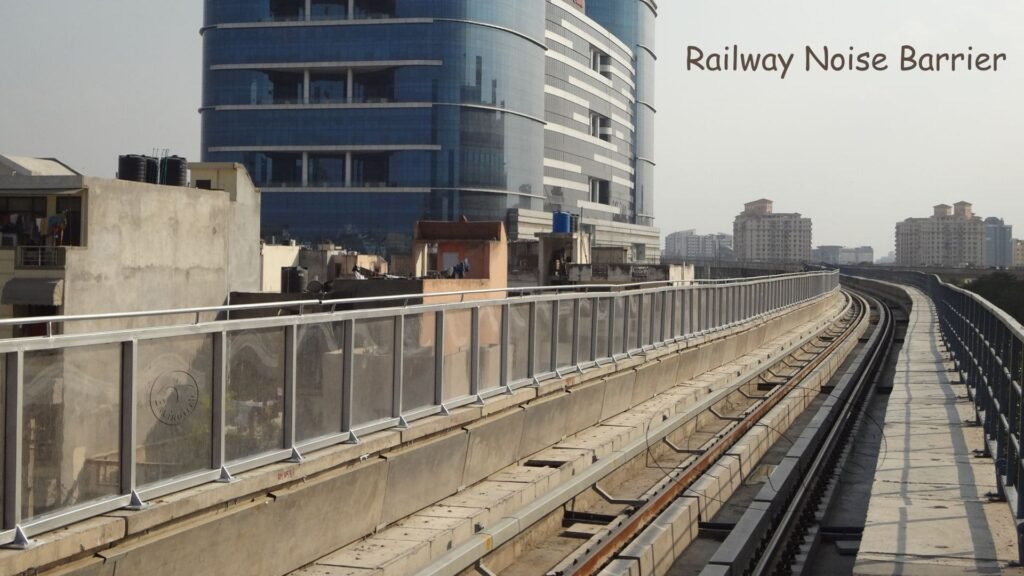
Durable and Economical Noise Control Solution
Railway noise barriers are a long-term investment in noise management. Once installed, they offer consistent performance with minimal maintenance requirements. Manufactured using strong and weather-resistant materials such as concrete, metal panels, and advanced acoustic composites, these barriers are built to withstand harsh environmental conditions. Their durability makes them a cost-effective solution compared to temporary or short-term noise reduction measures.
Supporting Sustainable Railway Infrastructure
Sustainable infrastructure development focuses on reducing environmental impact while maintaining operational efficiency. Railway noise barriers align perfectly with this goal by controlling noise pollution without interrupting train movement. Modern designs also allow customization in terms of height, materials, and aesthetics, helping barriers blend seamlessly with the surrounding landscape and urban design.
Railway Noise Barriers are a vital part of modern railway infrastructure. They help protect public health, improve living conditions, support compliance with environmental regulations, enhance safety, and promote sustainable development. As railway networks continue to expand, the importance of effective noise control solutions like railway noise barriers will only increase, making them an essential investment for long-term environmental and social benefits.