

What Is a Highway Noise Barrier?

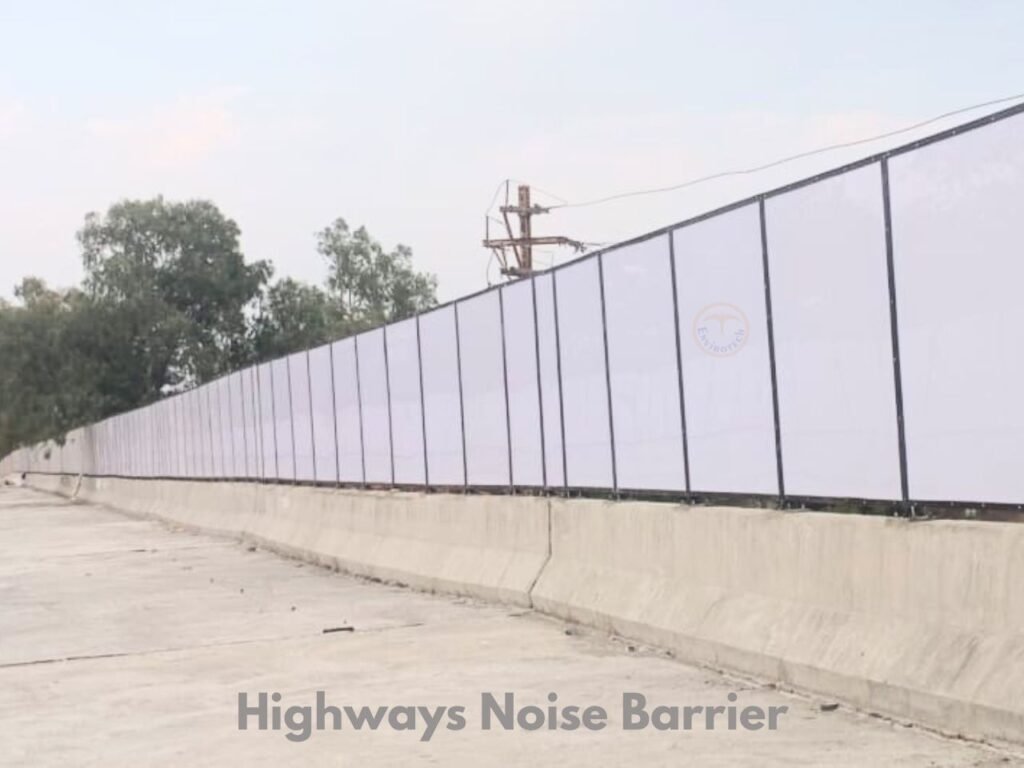
Envirotech Highway Noise Barrier is a specially designed structure installed along roads to reduce the transmission of traffic noise to nearby areas. These barriers are commonly seen near residential zones, commercial buildings, schools, hospitals, and other noise-sensitive locations. Their primary purpose is to improve acoustic comfort and protect people from the harmful effects of excessive noise pollution.
With the rapid growth of road infrastructure and vehicle population, traffic noise has become a major environmental concern. Highways, expressways, and urban corridors generate continuous noise due to moving vehicles, heavy trucks, and constant traffic flow. To control this issue, highway noise barriers are widely used as an effective noise mitigation solution.
Why Traffic Noise Is a Serious Problem
Traffic noise is produced by multiple sources, including vehicle engines, exhaust systems, tyre-road contact, braking, and honking. On highways, where vehicles travel at high speeds and heavy vehicles operate continuously, noise levels can easily exceed permissible limits.
Prolonged exposure to high noise levels can lead to sleep disturbance, stress, reduced concentration, and long-term health issues such as hypertension. For communities living near highways, traffic noise significantly affects quality of life. This makes noise control measures, such as highway noise barriers, essential rather than optional.
How a Highway Noise Barrier Works
A Road Noise Barrier works by interrupting the direct path of sound waves between the traffic source and the receiver. When sound waves encounter the barrier, their energy is reduced through different mechanisms:
- Blocking: The barrier physically blocks sound from reaching nearby areas
- Reflection: Sound waves are reflected back toward the road
- Absorption: Acoustic materials absorb sound energy and reduce reflections
Most modern Highway Sound Barriers use sound-absorbing surfaces on the traffic side to prevent noise from bouncing back into the roadway. When properly designed, these barriers can reduce traffic noise by 8 to 15 decibels, which is a noticeable improvement for the human ear.
Types of Highway Noise Barriers
Highway Noise Barriers are available in various designs and materials, depending on acoustic requirements, environmental conditions, and aesthetic preferences.
Metallic Acoustic Barriers: Metallic Noise Barriers typically consist of perforated metal panels filled with sound-absorbing material. These barriers are lightweight, corrosion-resistant, and suitable for both urban and industrial highway applications.
Polycarbonate Noise Barriers: Polycarbonate Noise Barriers are transparent and allow light penetration while reducing noise. They are often used on flyovers and elevated roads where visibility and aesthetics are important.
Advantages of Highway Noise Barriers
Installing Highway Noise Barriers offers several important benefits:
- Significant reduction in traffic noise for nearby areas
- Improved living and working environments
- Compliance with environmental noise regulations
- Enhanced comfort for residents and building occupants
- Positive impact on property value in noise-affected zones
By controlling noise pollution, Highway Noise Barriers and Road Noise Barrier contribute to healthier and more sustainable urban development.
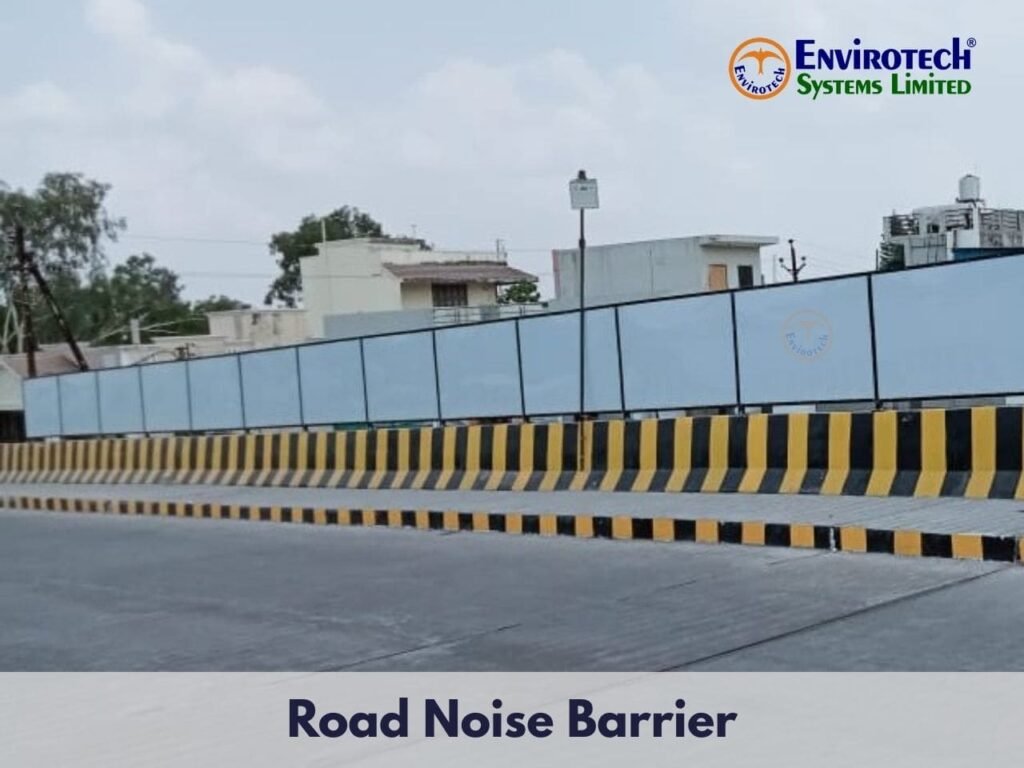
Applications of Highway Noise Barriers
Highway noise barriers are widely used in many infrastructure projects, including:
- National highways and expressways
- Urban roads and ring roads
- Flyovers and elevated corridors
- Roads near residential buildings
- Areas close to hospitals, schools, hotels, and offices
They can be installed in both new highway projects and existing roads as part of noise control upgrades.
Envirotech Highway Noise Barrier is a proven and reliable solution for managing traffic noise in modern transportation systems. By reducing the spread of unwanted sound, these barriers protect nearby communities, improve environmental quality, and support regulatory compliance. As traffic volumes continue to rise, the role of highway noise barriers in infrastructure planning will become increasingly important. In simple terms, highway noise barriers help create quieter surroundings by keeping traffic noise where it belongs—on the road. A detailed acoustic study is usually conducted before installation to ensure the barrier meets noise reduction requirements.