

Environmental Impact of Noise Barriers

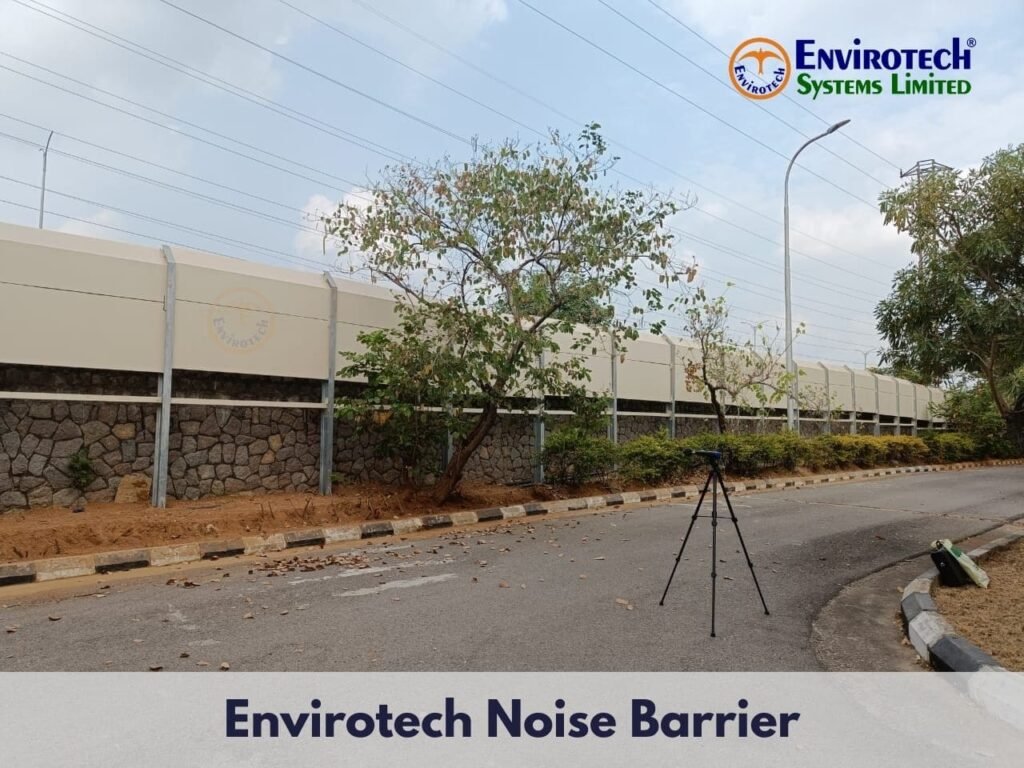
With the rapid growth of highways, rail networks, and industrial zones, environmental noise has become a major concern across urban and semi-urban areas. Noise Barriers are widely used to control excessive sound levels, but their role goes far beyond noise reduction. When designed and installed correctly, noise barriers contribute positively to environmental protection and sustainable infrastructure development.
Understanding the Purpose of Noise Barriers
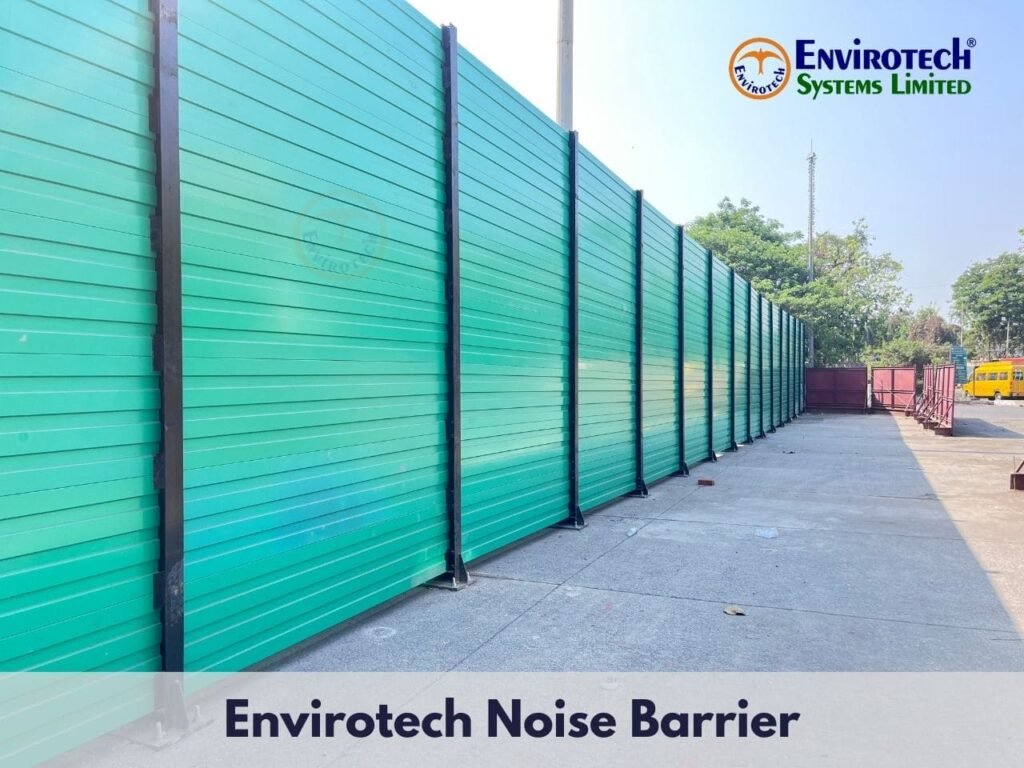
Envirotech Noise Barrier is engineered structures placed between noise sources—such as traffic or machinery—and nearby communities or natural areas. These barriers work by blocking, absorbing, or diffusing sound waves. Common materials include concrete, metal panels, polycarbonate sheets, and composite systems, each offering different environmental and acoustic benefits.
Positive Environmental Effects of Noise Barriers
Reduction of Noise Pollution: Noise pollution has a direct impact on human health and environmental balance. Continuous exposure to high noise levels can cause stress, sleep disturbances, and reduced productivity. Noise barriers significantly lower sound levels, creating healthier living conditions and reducing environmental stress in surrounding areas.
Protection of Natural Habitats: Excessive traffic noise can disrupt wildlife behavior, affecting feeding, communication, and breeding patterns. Noise barriers help shield forests, green belts, and natural habitats from constant sound exposure, allowing ecosystems to function more naturally even near busy infrastructure corridors.
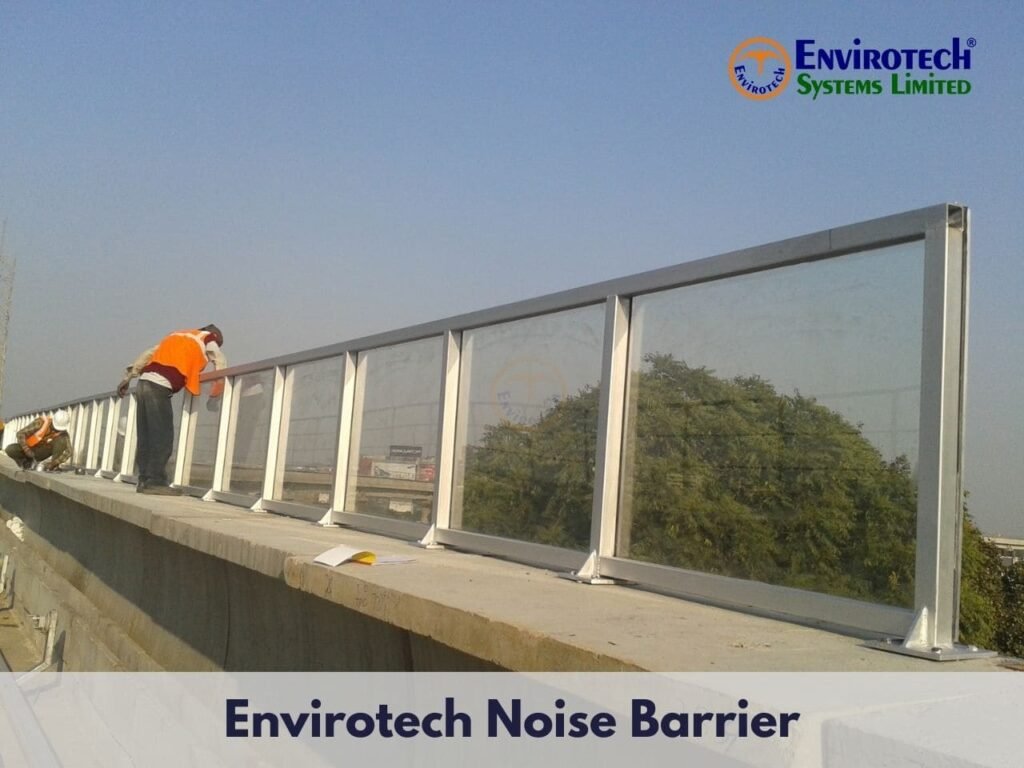
Support for Sustainable Urban Development: Modern Noise Barriers are designed with sustainability in mind. Many systems use recyclable materials such as metal and composite panels, reducing environmental waste. Transparent polycarbonate noise barriers allow sunlight to pass through, preserving visual openness and reducing the need for artificial lighting in nearby spaces.
Improved Local Environmental Quality: Some Noise Barrier designs incorporate green elements or textured surfaces that help capture dust and airborne particles. This contributes to improved air quality near roads and industrial areas, especially in densely populated regions.
Managing Environmental Concerns: If noise barriers are poorly designed, they can reflect sound toward other locations or visually dominate the landscape. These challenges can be minimized through absorptive barrier designs, correct height and placement, and careful integration with surrounding environments. Acoustic planning ensures that noise reduction does not create secondary environmental problems.
Importance of Eco-Friendly Design
Environmentally responsible noise barrier systems focus on:
- Absorbing sound instead of reflecting it
- Using long-lasting, low-maintenance materials
- Blending with natural and urban surroundings
- Reducing the need for frequent replacements
Such design practices lower the overall environmental footprint of infrastructure projects.
Noise Barrier Solutions by Envirotech Systems Limited
Envirotech Systems Limited offers advanced Noise Barrier solutions that balance acoustic performance with environmental responsibility. Their range includes metal noise barriers, polycarbonate noise barriers, and customized composite systems designed to meet environmental standards while delivering effective noise control for highways, railways, and industrial applications.
The environmental impact of Noise Barriers is largely beneficial when sustainability and proper engineering are prioritized. By reducing noise pollution, protecting ecosystems, and supporting cleaner, quieter surroundings, Noise Barriers play an essential role in modern infrastructure. Choosing the right noise barrier solution ensures long-term environmental, social, and economic benefits.