
Polycarbonate Noise Barriers for Highway, Railway and Industries

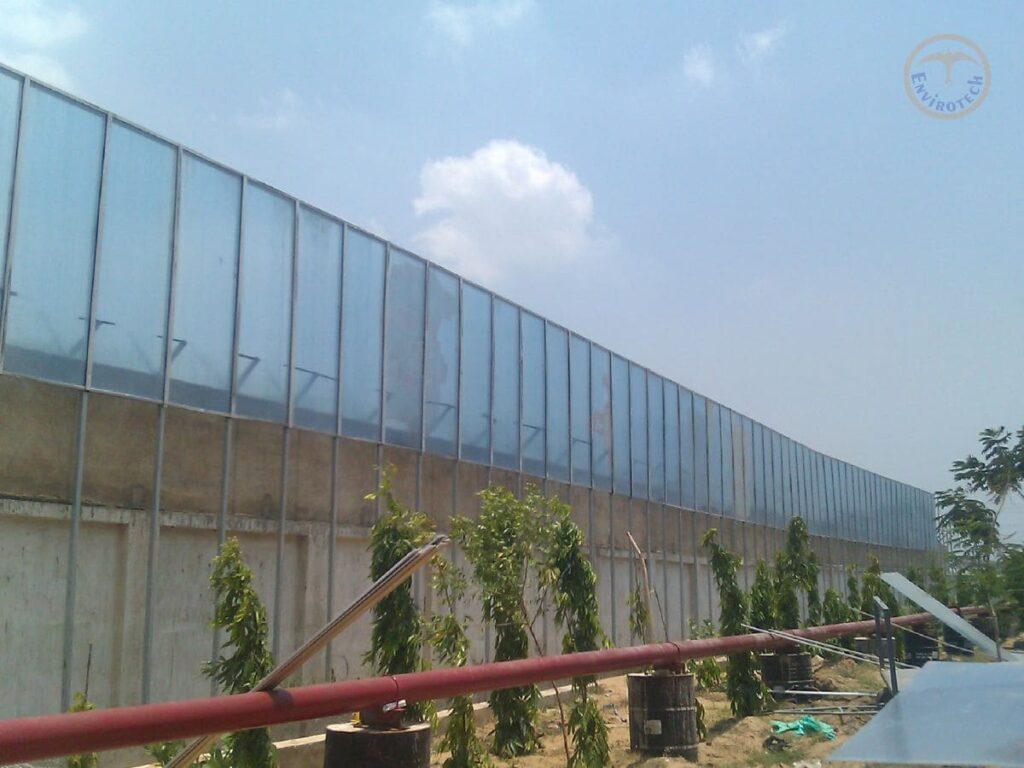
Noise pollution has become a growing concern in urban areas, transportation networks and industrial environments. Continuous exposure to excessive noise from highways, railway tracks, manufacturing facilities and heavy machinery can affect people’s comfort, concentration and overall well-being. To address these challenges, effective acoustic solutions are essential. Polycarbonate Noise Barriers offer a modern and practical approach to reducing noise propagation while maintaining visibility and architectural appeal.
At Envirotech we provide advanced industrial noise control solutions, including our DeciBlock™ Polycarbonate Noise Barriers, designed to support effective noise management across highways, railways and industrial applications. These transparent acoustic barriers combine durability, visibility and functional design to meet the requirements of demanding environments.
What Are Polycarbonate Noise Barriers?
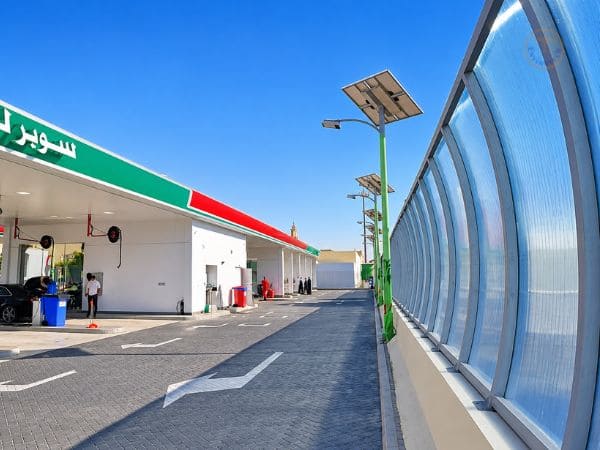
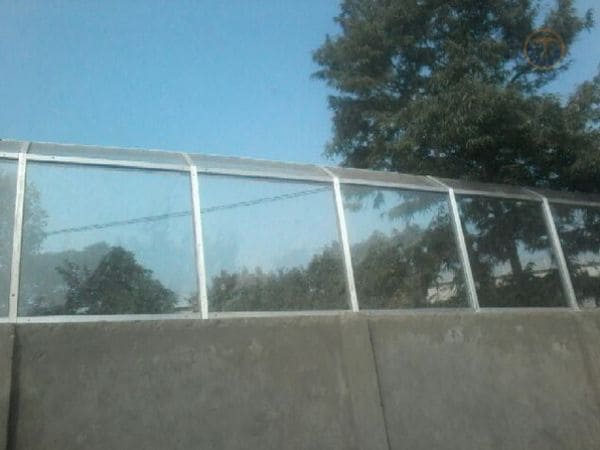
Polycarbonate noise barriers are specially designed acoustic screening systems manufactured using durable polycarbonate panels. These panels help restrict the transmission of sound waves from noisy sources to surrounding areas. Their transparent construction allows natural light to pass through while maintaining visibility, making them particularly suitable for locations where conventional solid noise barriers may obstruct views.
Unlike traditional opaque barriers, transparent polycarbonate noise barriers provide an effective combination of acoustic functionality and visual openness. They can be integrated into different infrastructure projects depending on site conditions, noise levels and acoustic performance requirements.
How Do Polycarbonate Noise Barriers Work?
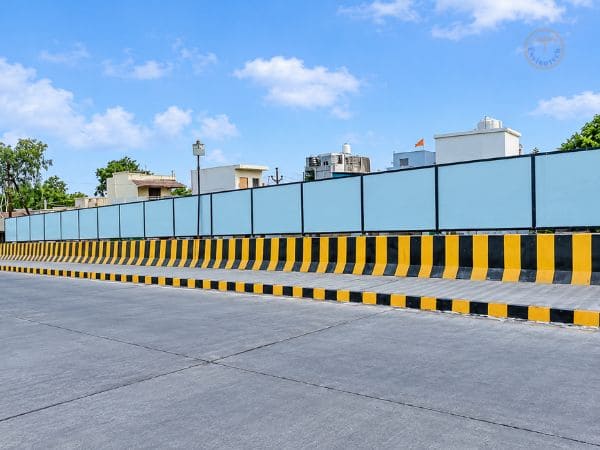
Polycarbonate acoustic barriers work primarily by interrupting the direct path of sound waves between the noise source and the receiver. When properly designed and installed, these barriers help reduce noise transmission by creating a physical separation between noisy operations and nearby residential, commercial or public areas. Their effectiveness depends on several factors, including panel specifications, barrier height, length, positioning, joint sealing and the frequency characteristics of the noise source. Proper acoustic design is essential to achieve the desired noise reduction performance.
Key Features of Polycarbonate Noise Barriers
Envirotech DeciBlock™ Polycarbonate Noise Barriers are designed to deliver reliable acoustic performance with long-term durability. Important features include:
- Excellent Transparency: Allows natural light and visibility through the barrier, helping maintain open surroundings.
- Noise Reduction: Helps minimize noise propagation from highways, railways and industrial equipment.
- High Impact Resistance: Polycarbonate panels offer durability for demanding infrastructure and outdoor environments.
- Weather Resistance: Suitable panel specifications can support long-term outdoor use under varying environmental conditions.
- Lightweight Construction: Facilitates practical handling and integration into suitable structural systems.
- Customizable Design: Barrier dimensions and configurations can be selected according to project requirements.
- Low Maintenance Requirements: Durable panel systems can help simplify routine inspection and maintenance.
Applications of Polycarbonate Noise Barriers
1. Highway and Road Noise Barriers
Highways and busy roads generate continuous noise from vehicle engines, tyre friction, horns and heavy traffic movement. This noise can affect residential communities, schools, hospitals and commercial developments located near major road networks.
Polycarbonate highway noise barriers help control the propagation of traffic noise while maintaining visibility for motorists and surrounding areas. Their transparent appearance makes them suitable for elevated roads, flyovers, bridges and urban expressways where maintaining visual openness is important.
2. Railway Noise Barriers
Railway operations generate noise from passing trains, wheel-rail interaction, braking systems and railway infrastructure. In areas where railway tracks pass close to residential buildings or commercial developments, noise barriers can help improve the surrounding acoustic environment.
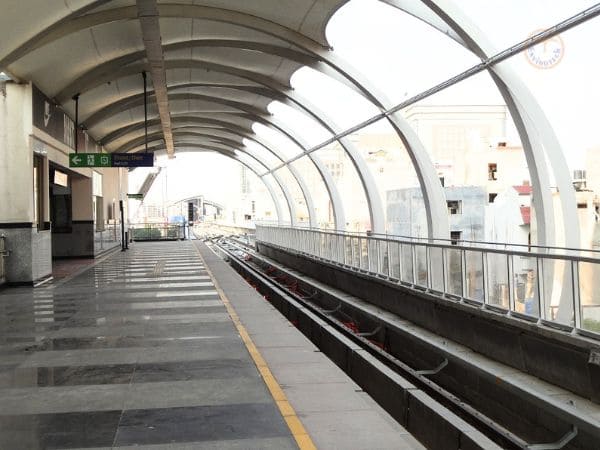
Transparent polycarbonate railway noise barriers provide a practical screening solution while allowing visibility along railway corridors. They can be considered for railway bridges, elevated railway sections, metro corridors and other suitable transportation infrastructure projects.
3. Industrial Noise Barriers
Manufacturing plants and industrial facilities often operate heavy machinery, compressors, generators, pumps, cooling systems and other noise-generating equipment. Excessive industrial noise can affect workers and nearby communities.
Industrial polycarbonate noise barriers can be installed in suitable locations to help reduce noise propagation from specific equipment and operational areas. Depending on acoustic requirements, they may be incorporated into larger industrial noise control systems alongside acoustic enclosures, sound attenuators and other noise reduction solutions.
Benefits of Transparent Polycarbonate Noise Barriers
Transparent acoustic barriers offer several advantages for modern infrastructure and industrial projects.
- Improved Visual Connectivity: Maintains visibility across roads, railways and surrounding spaces.
- Effective Noise Management: Helps control sound transmission when appropriately designed.
- Natural Light Transmission: Reduces the visual obstruction associated with conventional opaque barriers.
- Durable Material: Offers a practical solution for demanding outdoor applications.
- Architectural Integration: Complements modern infrastructure and urban development projects.
- Application Flexibility: Can be configured for different project layouts and installation requirements.
Factors to Consider When Selecting Polycarbonate Noise Barriers
Selecting the right polycarbonate noise barrier requires proper evaluation of project conditions. Some important considerations include:
- Noise Levels: Identify the existing noise levels and required noise reduction targets.
- Frequency Characteristics: Evaluate low-, medium- and high-frequency noise components.
- Barrier Height and Length: Determine suitable dimensions to minimize sound diffraction around the barrier.
- Panel Specifications: Consider panel thickness, material quality and acoustic performance requirements.
- Structural Design: Ensure suitable support structures, mounting arrangements and wind-load considerations.
- Acoustic Sealing: Proper joints and connections help minimize unwanted sound leakage.
A project-specific acoustic assessment can help determine the most suitable barrier configuration.
Why Choose Envirotech for Polycarbonate Noise Barriers?
Envirotech specializes in industrial noise control solutions designed for diverse industrial, infrastructure and commercial applications. Our focus is on developing practical acoustic solutions that address project-specific noise challenges while considering durability, functionality and installation requirements.
Our DeciBlock™ Polycarbonate Noise Barriers are designed to provide a combination of transparency, durability and acoustic functionality for highways, railways and industrial environments.
With a focus on customized solutions, engineering requirements and quality-oriented manufacturing, Envirotech supports projects seeking effective noise management systems. Whether the requirement involves transportation infrastructure or industrial noise control, our team can help identify a suitable acoustic barrier solution.
Conclusion
Envirotech Polycarbonate noise barriers are an effective option to consider for modern noise management projects where visibility, durability and acoustic functionality are important. From highways and railway corridors to industrial facilities, these transparent acoustic systems help minimize noise propagation while maintaining visual connectivity.
With DeciBlock™ Polycarbonate Noise Barriers, Envirotech offers specialized solutions for diverse noise control applications. Choosing the right barrier design, material specifications and installation approach is essential for achieving the desired acoustic performance and long-term reliability.
Looking for reliable polycarbonate noise barrier solutions? Connect with Envirotech to explore customized acoustic solutions for your project.